
MEDICOWL INSTRUMENTS

the ultimate tools for orthopaedic surgeons

What you all add :

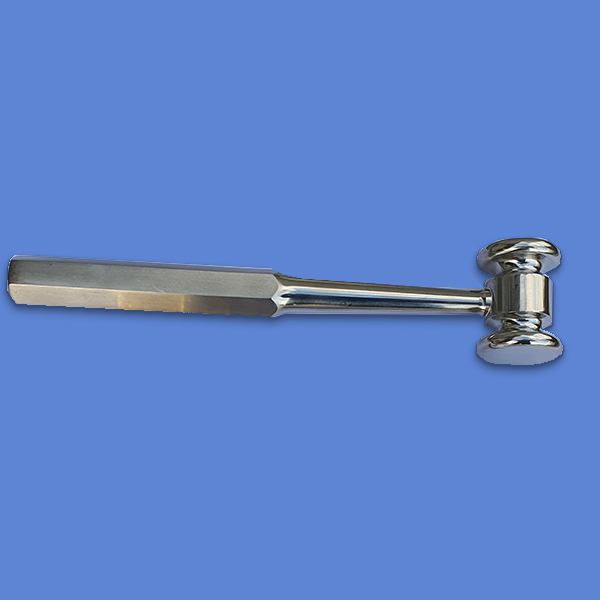
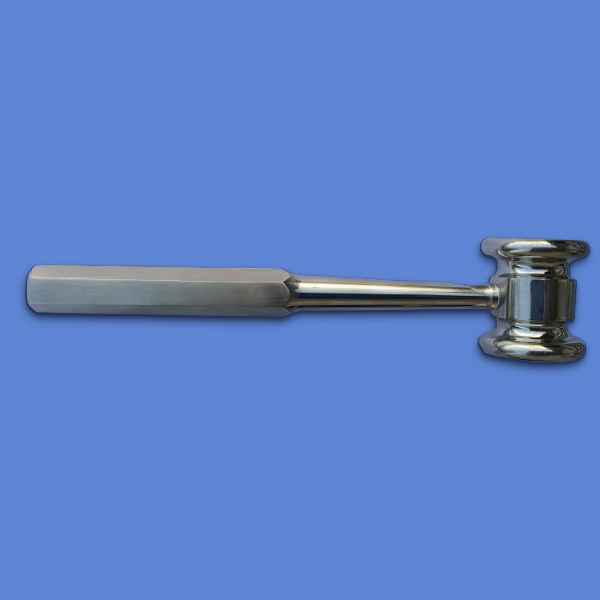
  • You do not have “the right instrument”, the right hammer, handy, well balanced
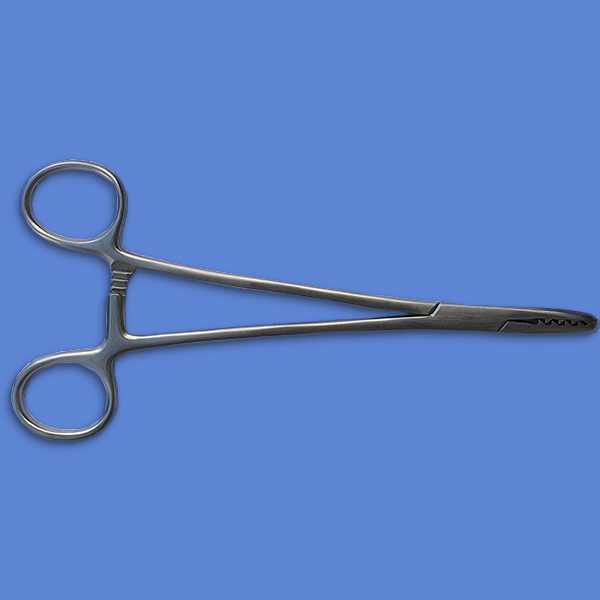
  • Not too heavy but efficient, the right pliers, the needle holder of the right length …
  • See the circulating nurse disappear, looking for the missing instrument.
  • Use a “hip box” to perform knee replacement surgery because there are not enough.

The good worker has good tools and he knows how to make good use of them.

I realized very early on how important it was not only to have the right instruments, but also to see them gathered and gathered in boxes suitable for the surgery envisaged. Medicowl combines Swiss know-how, technicality, reliability, excellence and concepts from French Orthopedic and Trauma Surgery. This project is supported by the teaching received from two major schools of orthopedic and trauma surgery

  • The Lyon school
  • And the Tourangelle school.

Prof Philippe NEYRET.  

Contact in Switzerland : https://onlyknee.swiss/
Contact  in France : https://www.doctolib.fr/

EFORT President  2019-June 2020
ISAKOS President 2015-2017
ACL Study Group President 2014-2016
Individualization possible

Give me “my toy”. Everyone has their fads, their habits. Ordering the “Individual” box allows you to add specific or tailor-made instruments.

The box of universal instruments

She meets your expectations. All the basic instruments necessary for knee surgery (but also hip, shoulder, etc.) have been selected by surgeons with extensive experience in order to optimize time and simplify use but also the precision of the gesture.

The necessary and essential instruments selected by the experts benefit from Swiss design and French manufacture.

Funding

Having these boxes is no longer a problem. We have an economical solution for you, in terms of price. Why deprive yourself ?

Designed by a Surgeon

Professor Philippe NEYRET

Prof Philippe Neyret is a Knee surgeon since 30 years with more than 15,000 knee surgeries in degenerative Knee and sports medicine with a special focus in Middle East on :

  • Total Knee Replacement and alternatives treatment: osteotomies around the knee, partial prosthesis, conservative management (arthroscopy, cartilage treatment, degenerative meniscus, local injections);
  • Ligament surgery: Specialist of ACL reconstruction, meniscal lesions
  • Revision of Total knee Replacement
  • Patello-femoral disorders including surgical management of the patella dislocation
  • Complex ligament surgery

Informations
on Medicowl Instruments

Knee Surgical Toolbox

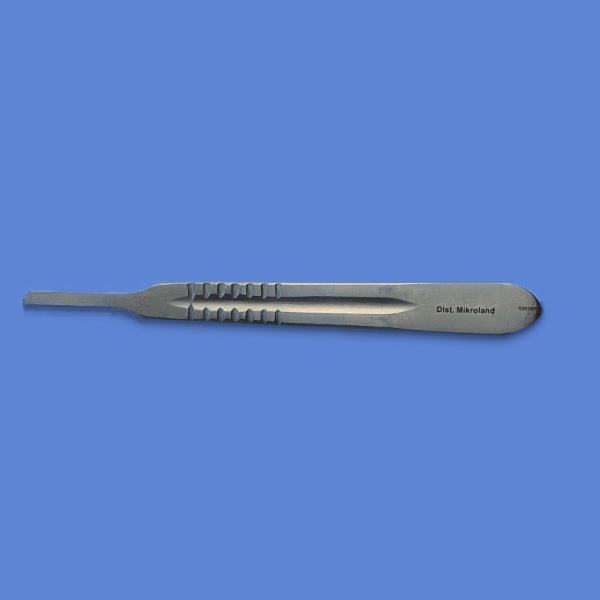
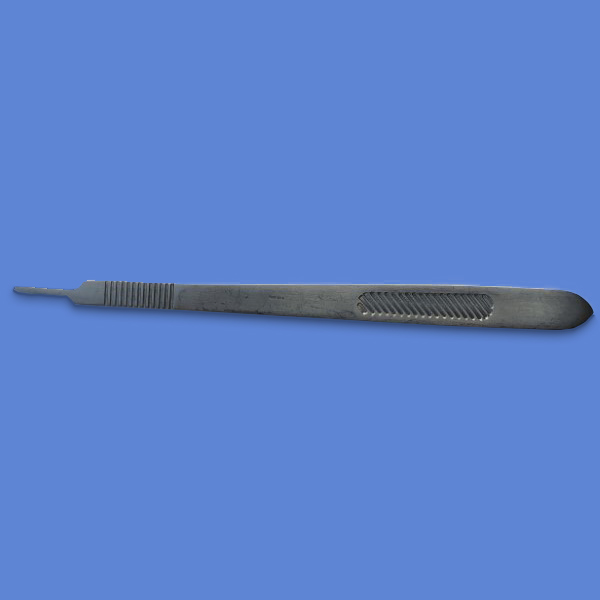
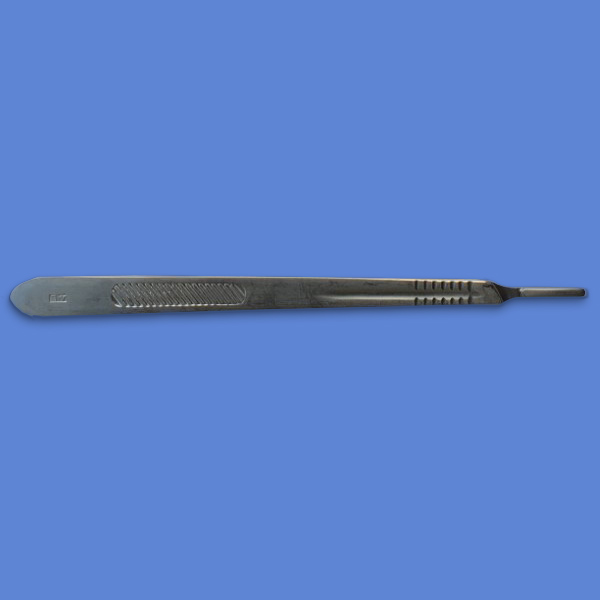
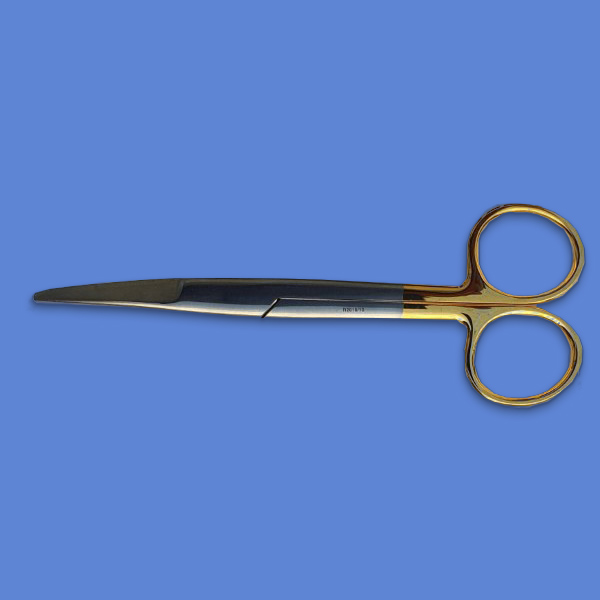
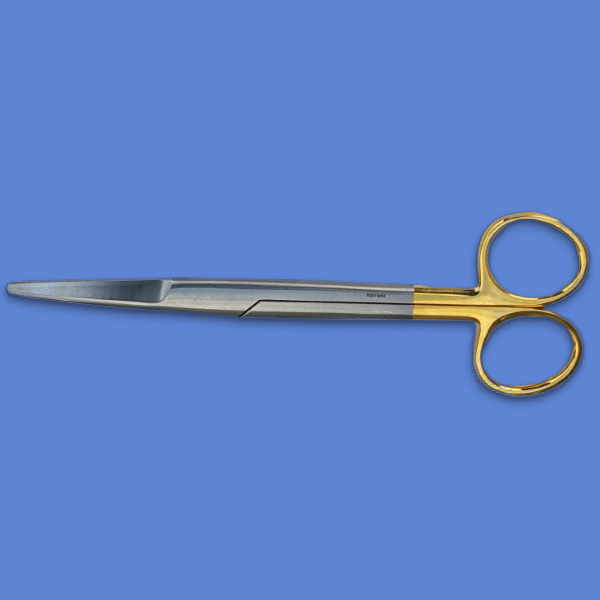
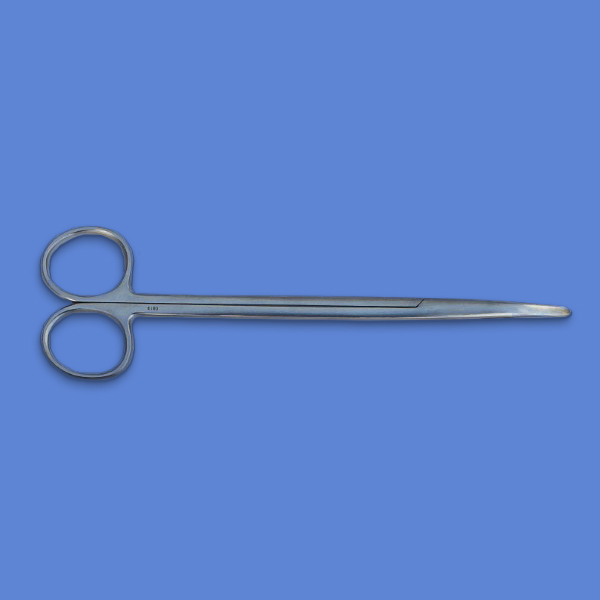
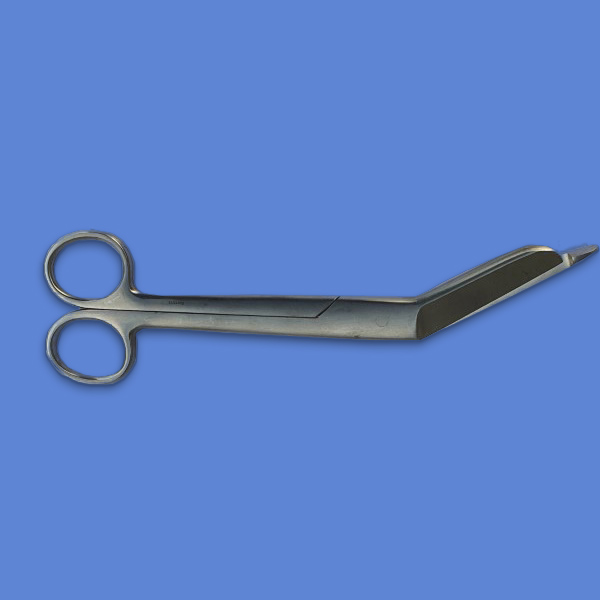
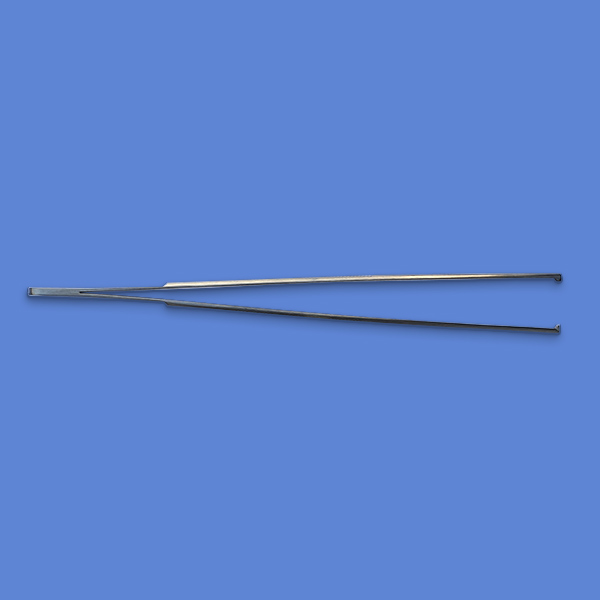
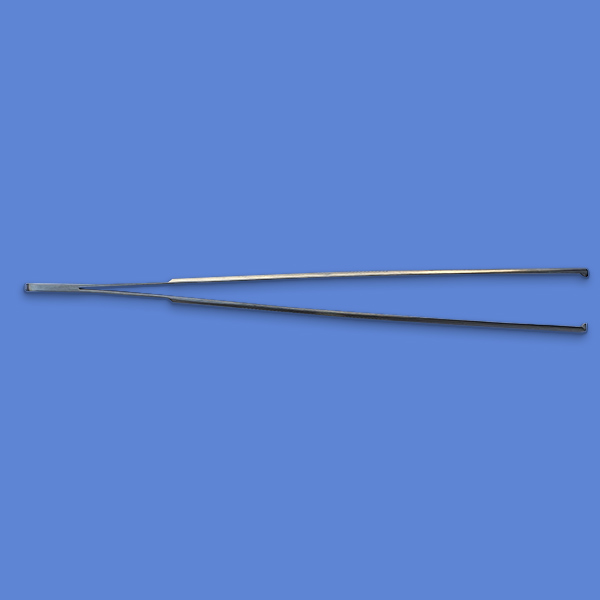
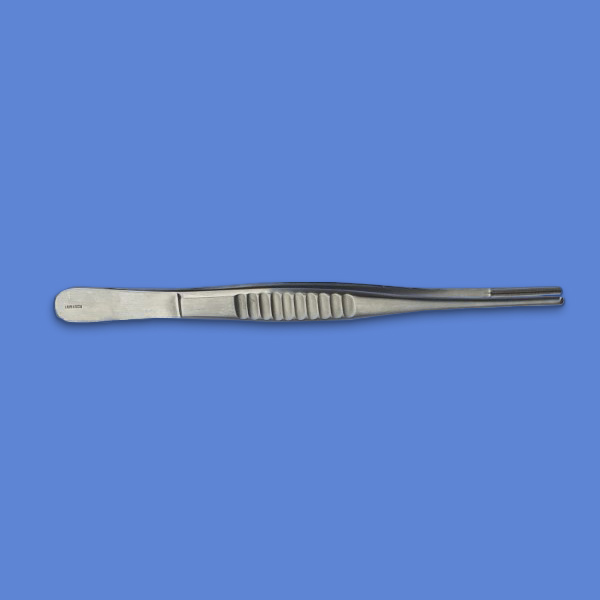
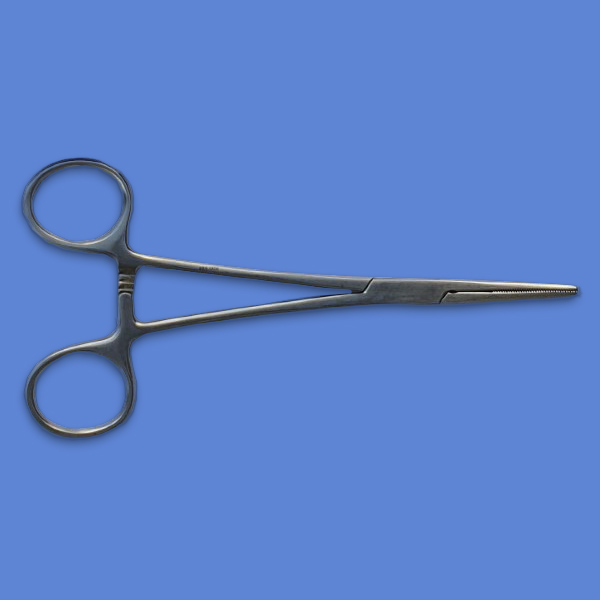
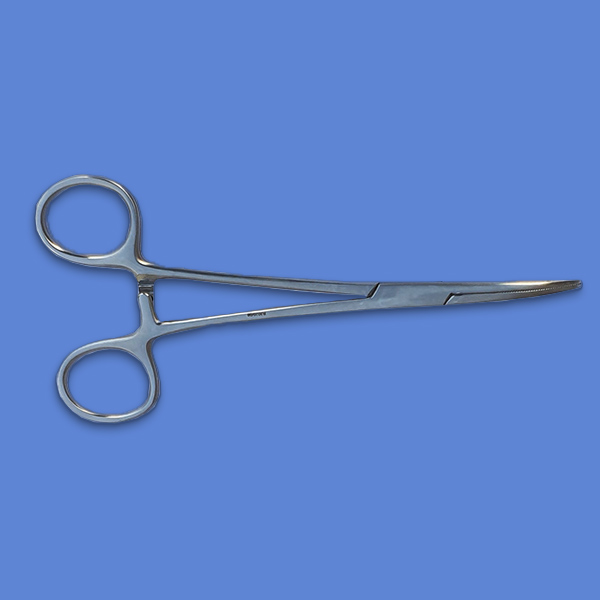
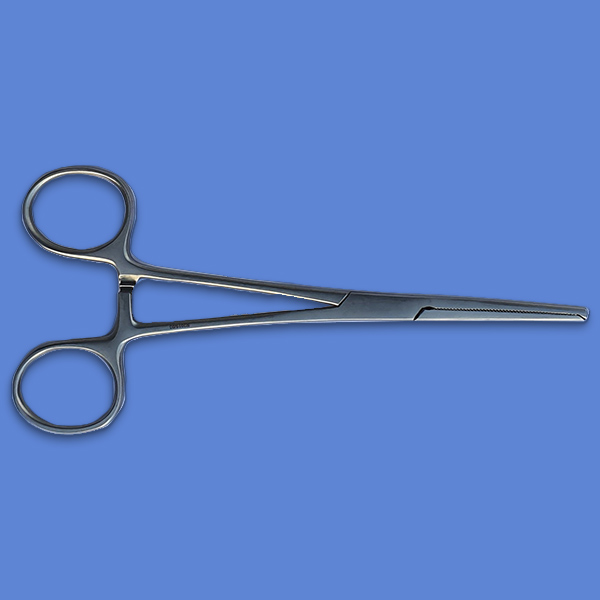
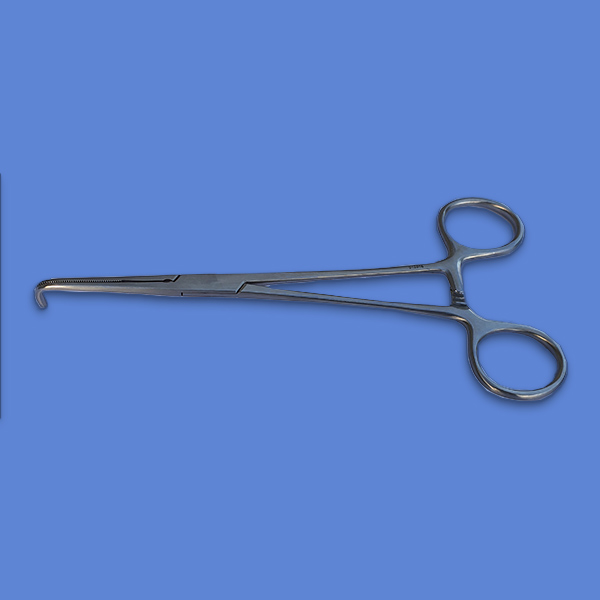
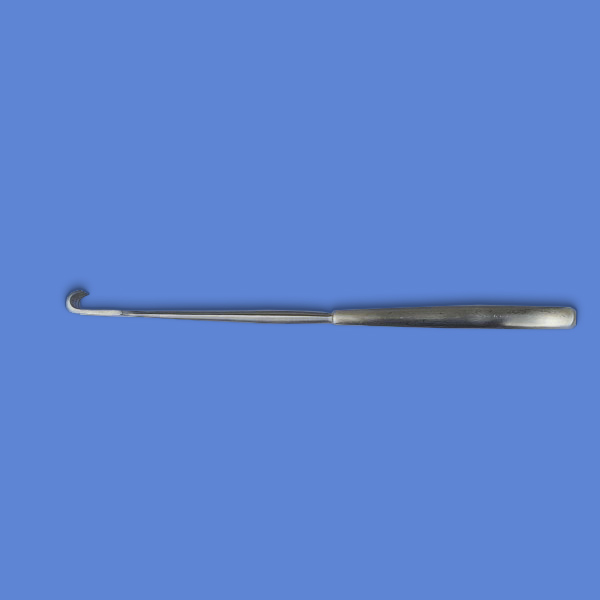
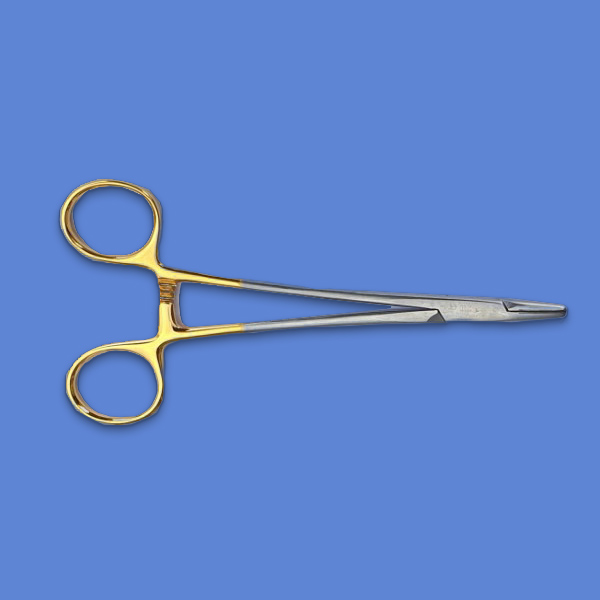
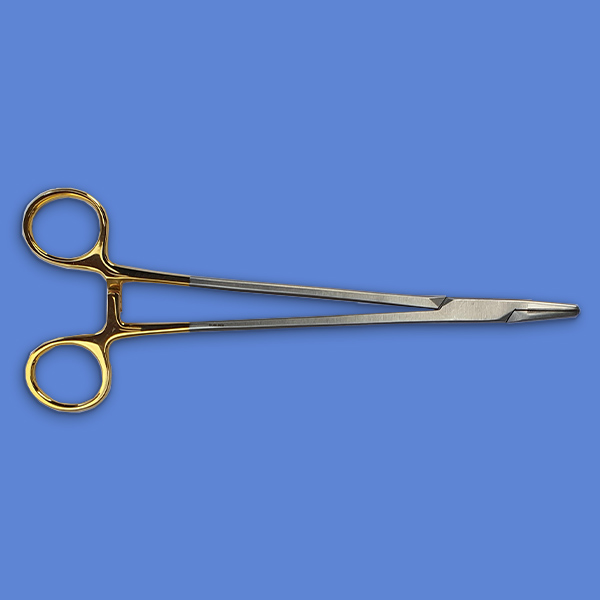
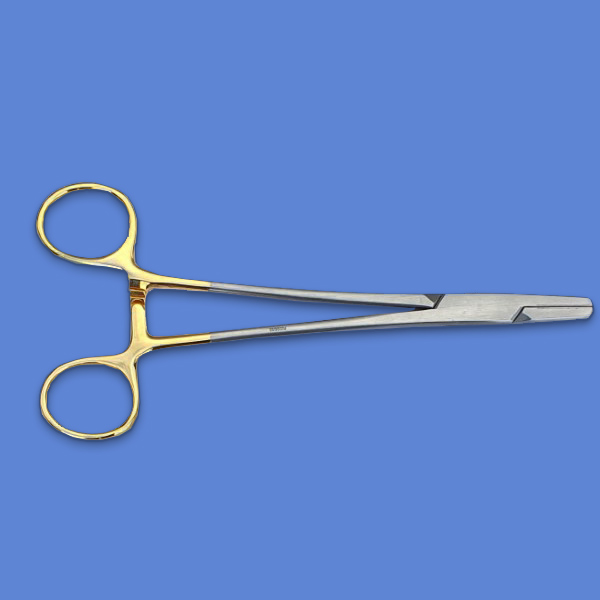
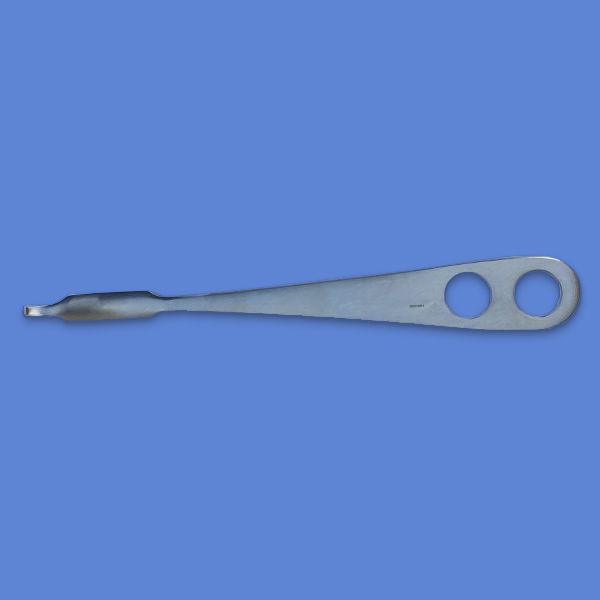
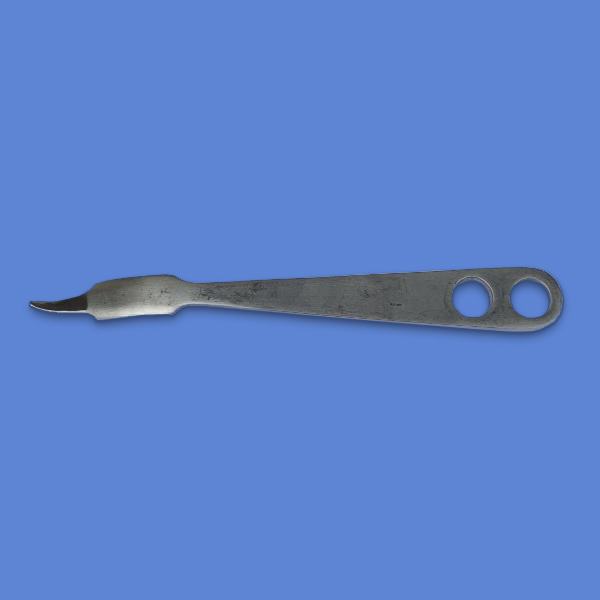
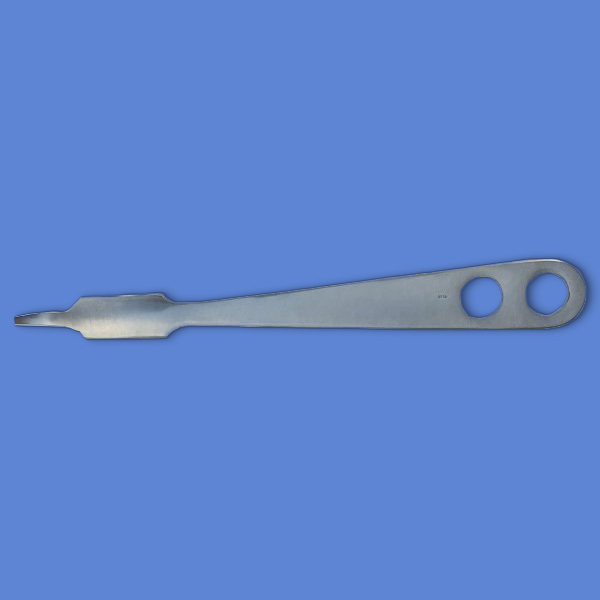
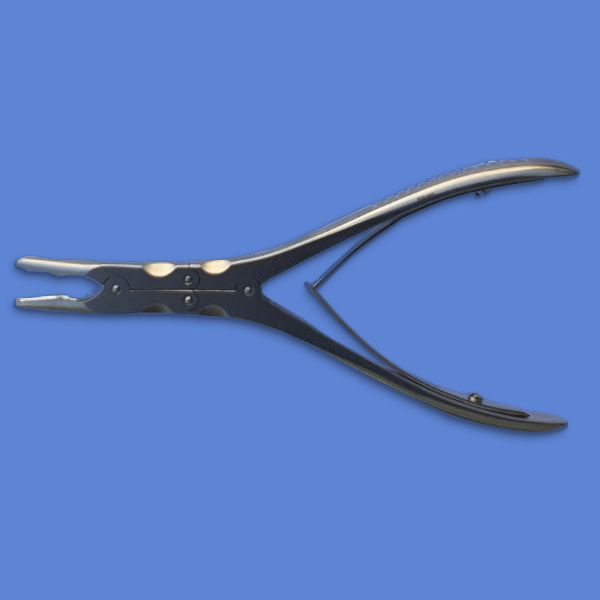
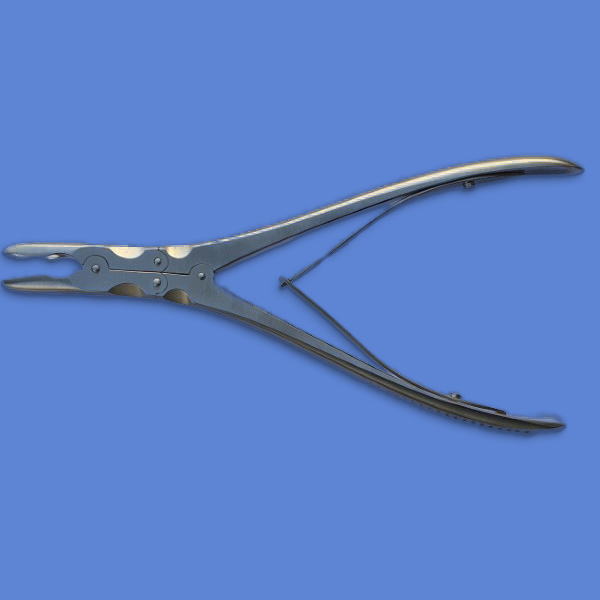
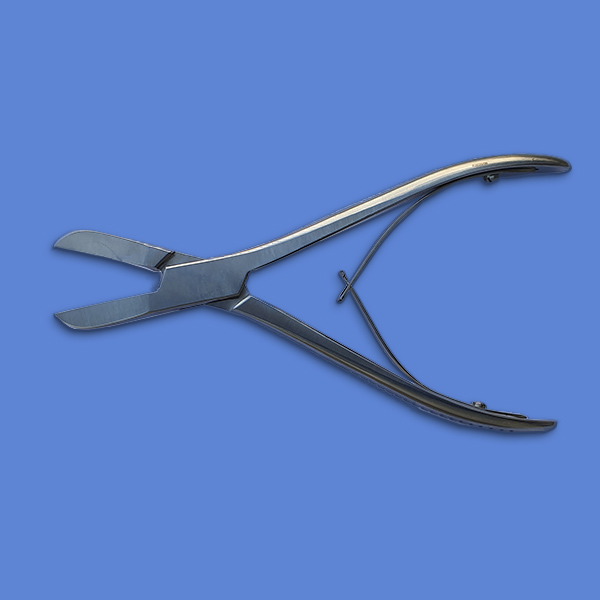
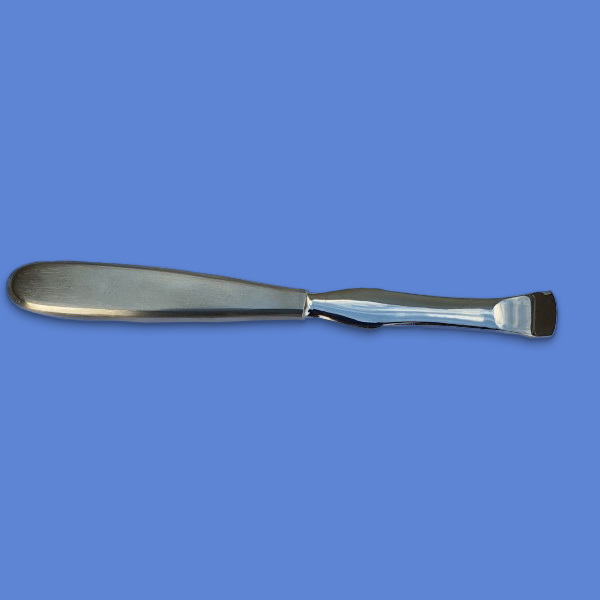
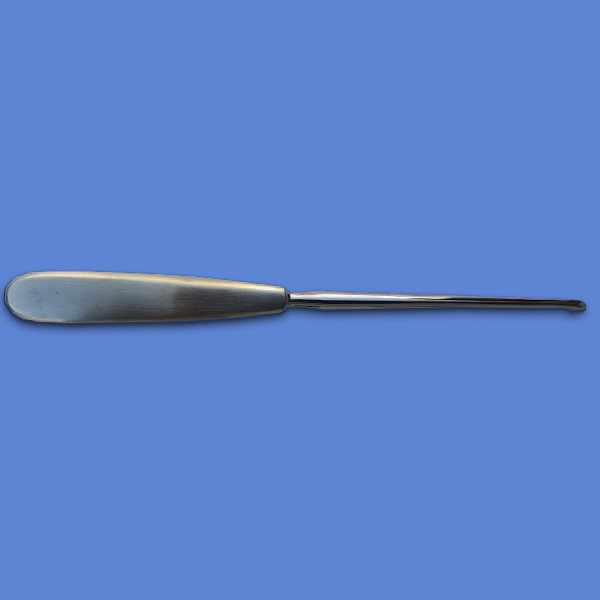
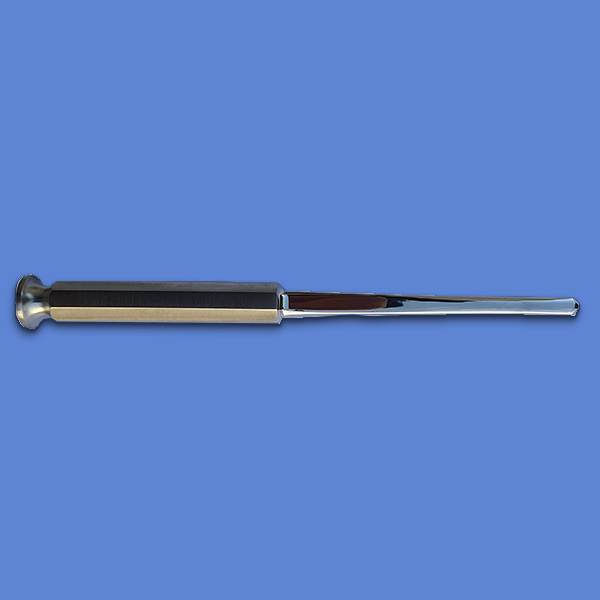
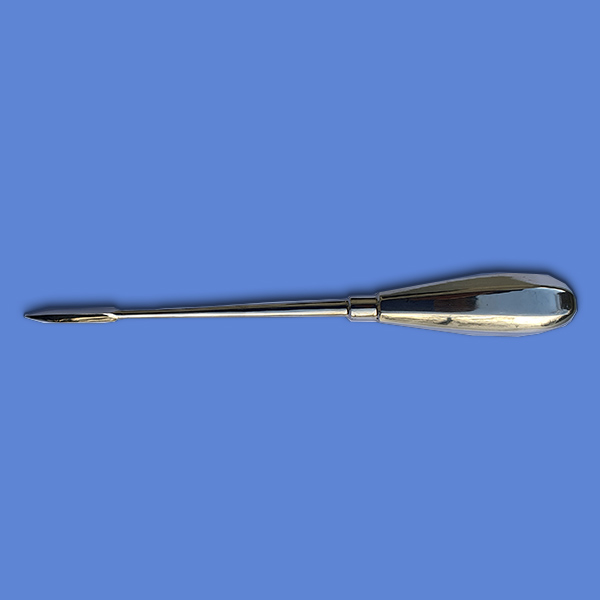
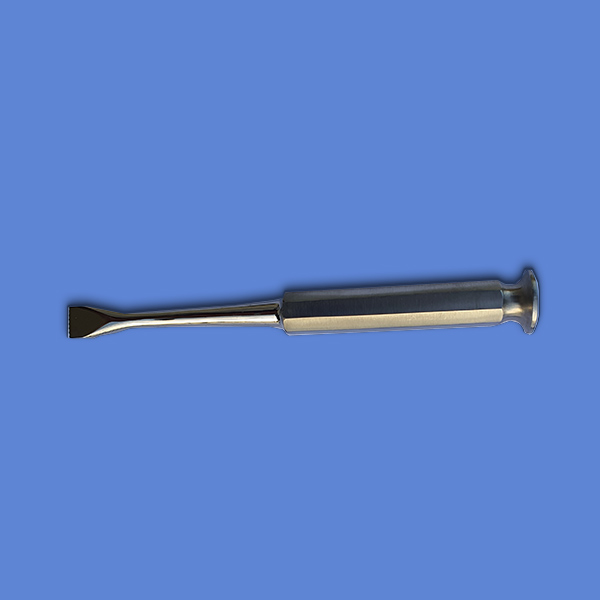
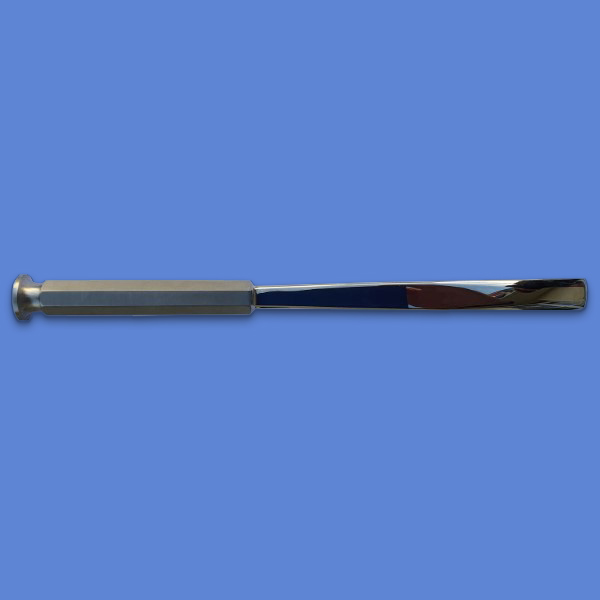
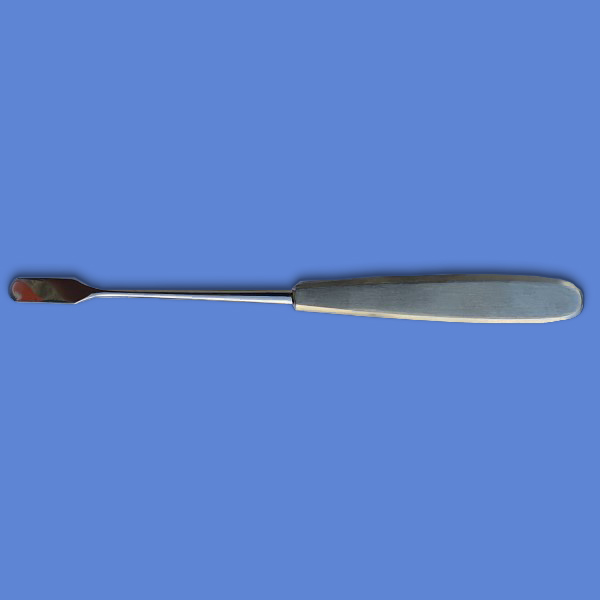
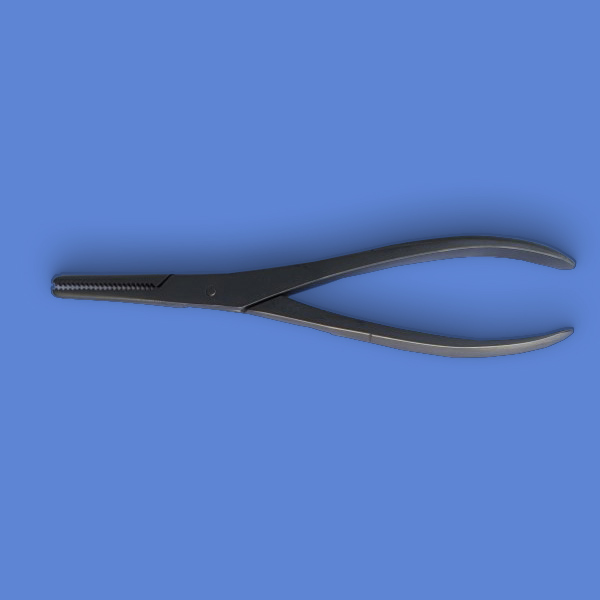
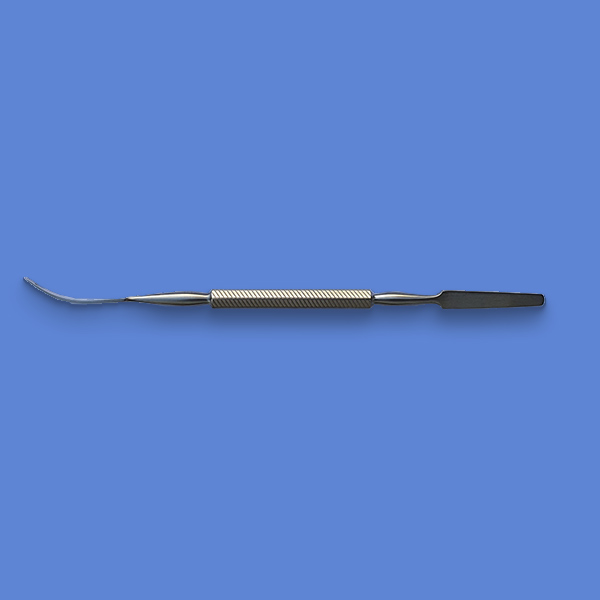
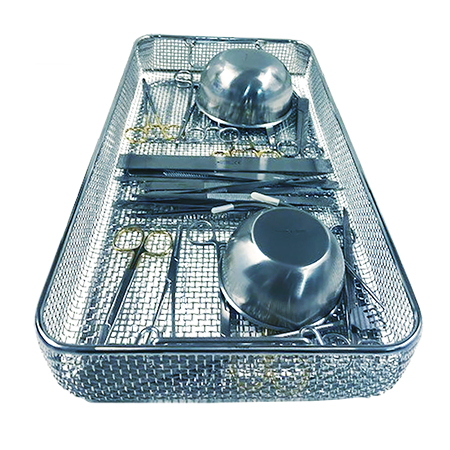
The instruments for each box have been carefully selected by experienced surgeons and instrumentalists. Medicowl offers in each box the panoply of essential instruments for a type or family of surgical procedures. These boxes make it possible to deal with 98% of the situations encountered during a surgical intervention without having to call on the circulating nurse. This saves time and peace of mind. Everyone knows how much, when the intervention is prolonged or a complication occurs, it is useful to have the necessary equipment on hand. The instruments are suitable, in their form weight or length; they do not tire the hand. They allow you to work with precision. Their selection aims to cover the vast majority of situations without invading the table of unnecessary instruments. On the other hand, of course, it does not replace specific instrumentation (ancillary) necessary for the installation of specific equipment, but it offers the essential panel of instruments that must appear in orthopedics, on the instrumentalist’s table.

The tools inside of the

Knee Surgical Toolbox

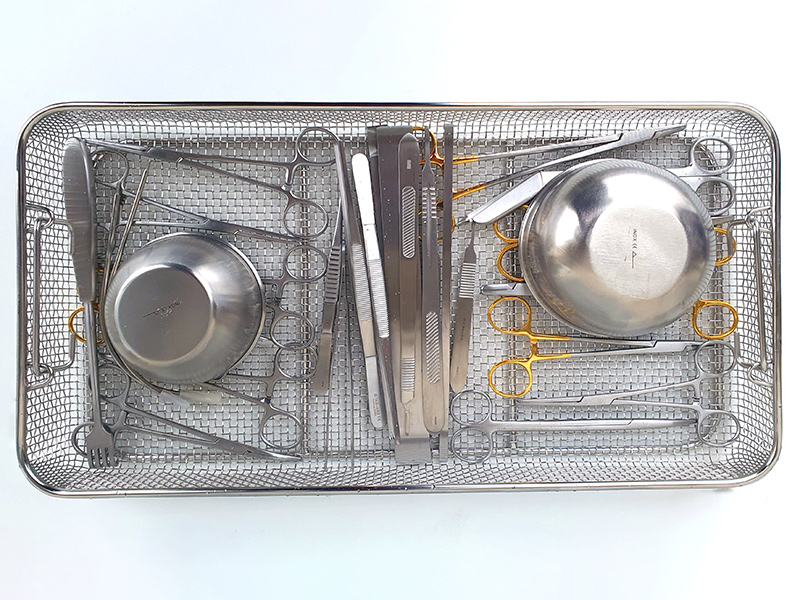
This 6.93 kg knee surgical toolbox contains all the tools to help you perform the best knee surgery possible. This toolbox is designed primarily for knee prostheses (and open knee surgery) but is also an excellent base for any type of knee surgery. It is sold with all the instruments only, a unit restocking is however possible after the purchase of a complete box of instruments.

This toolbox and its tools are compliant with EU standards.

The products are delivered with a sterilization basket and with the manufacturer’s original packaging guaranteeing cleanliness and the level of initial regulatory contamination.

Maintenance of instruments

There is no point in having damaged instruments. The work would then be less precise and sometimes even dangerous. This is why we must respect the rules of the proper use of instruments on the one hand and monitor them on the other hand. Instruments approved and released by Medicowl can be tracked. Instruments must be maintained.

Education

Medicowl is much more than the presentation of a box of universal instruments necessary for the realization of the most frequent orthopedic interventions
Thus Medicowl instrument also proposes to transmit the knowledge, the experience that the discipline has built up over the decades. Thus Medicowl was interested in related subjects:

  • How to make a table by recalling the arrangement of the instruments?
  • How to optimize ergonomics? the installation of the patient, the respective position of the surgeon, any helpers, instrumentalists, the table or tables and their arrangement.
  • How to build an efficient surgical team?
  • Optimization of the operation of the operating room in its many aspects
  • The conduct of an operating program
  • The requirements for sterilization of the container to the contents of a box of instruments.

The teaching methods are multiple: Books that will be distributed with the instrument boxes, short tutorials, Powerpoint presentations available on the internet or even in-person workshops in small groups as required.

To learn is to learn from others and to teach others. While the French use the same word which testifies to this lineage in the transmission of knowledge, English separates the actions: “to learn” and “to teach”. French orthopedics is distinguished by its companion-type teaching consisting of oral transmission and actions. Some brief historical illustrations of the sometimes forgotten interest shown by the schools of Lyon and Tours in orthopedic surgery “tools”

About the Lyonnaise school

So Professor Ph Neyret tells us anecdote and aphotisms: My father took me to play in the family locksmith factory and I could use a workbench, with a vice, pliers, saws … Having a toolbox made sense. . Chance would have it. Originally, the factory was located on rue Vendôme, 200m from the Vendôme clinic, where Professor A. Trillat operated on his private patients. A Trillat sometimes came to the studio to look for ideas for instruments or technical procedures.

Thus Professor Claude Régis R Michel reports: “Very early on, A Trillat developed a passion for mechanics. He could take the engine out of his car. He went to the hardware store and he was the first to use the bits with the electric motor, then a tap, screws that hold back etc.…. It is the first which showed that it was necessary to work like carpenters, cabinetmakers, to have bits corresponding to the screws…; fixation became the fundamental act and no longer the way to go “. This knowledge of tools and mechanics allowed assemblies based on a conception of osteosynthesis different from that which currently prevails. Thus é “The lotus assembly” that is to say the light assembly referred to the light and fast car. This minimal assembly favored the functional aspect and this principle worked wonders for great sportsmen.

 “Manual dexterity is practiced in a kind of game.”

             Following a trip with J. Seddon in England A Trillat implemented the “No touch technique” or “technique of working at the end of the pincers”. This technique goes far beyond preventing infection. It combines precision, elegance and respects anatomical structures.

              Bruno Lapeyre took this golden rule from his boss: “When you operate on a patient, start by removing all unnecessary gestures”.

Crouzet PF. – In Trillat (1910-1988) – Lyon 1990 medical thesis

About the Tourangelle school

I enjoyed reading and rereading “On the good use of instruments in orthopedic surgery” written by Jean Castaing and Luc Favard. In this book we find the fundamentals of orthopedic and trauma surgery. From the first pages the tone is set “the tool is of the order of culture” or Jean de la Fontaine: “I see the tool obeying the hand, but the hand, which guides it? “

Castaing J., Favard L. – Correct use of instruments in orthopedic surgery – Sauramps Medical 2003

Do you have

Any Questions ?

You can ask us these questions with the contact form there:

Are you

Interested in our products ?

You can ask a free quote with this detailed form :